
15-Minute Breaks: How to Design Them and Prove Their Value

A wellness break can provide useful insights for HR if it's designed with a clear goal in mind. Discover what to measure before and after an event, how to evaluate the participant experience, and how to accurately interpret the results.
A wellness break can provide useful insights for HR if it's designed with a clear goal in mind. Discover what to measure before and after an event, how to evaluate the participant experience, and how to accurately interpret the results.
A wellness break can provide useful insights for HR if it's designed with a clear goal in mind. Discover what to measure before and after an event, how to evaluate the participant experience, and how to accurately interpret the results.
Subscribe to our Newsletter for HR leaders
Workplace wellness strategies, success stories, and corporate promotions directly in your inbox.
Subscribe to our Newsletter for HR leaders
Workplace wellness strategies, success stories, and corporate promotions directly in your inbox.
Taking time to recharge during the workday deserves a place in conversations about well-being. However, when a company organizes an activity for its teams, there is a question that isn't always asked from the start: what do we want to happen, and how will we know if it did?
The answer matters. Not all well-being initiatives share the same goal, and not all need to be measured the same way. A break aimed at reducing perceived tension, for example, isn't evaluated the same way as a program designed to improve long-term health habits.
Designing the experience is only part of the work. It's also necessary to decide what to observe, how to gather information, and what conclusions the company can draw.
What we know about breaks and recovery
Research on workplace recovery provides reasons to pay attention to what happens between one task and the next.
A break can help people temporarily disconnect from work demands, reduce physiological arousal, and recover part of the energy they need to carry on with their day. Studies on recovery and relaxation have found associations with indicators such as well-being, job satisfaction, and engagement.
On the other hand, meta-analyses on short breaks point to benefits in areas such as energy and fatigue.
It is helpful to distinguish between three things: that a break can promote recovery, that people perceive a benefit after participating, and that this benefit translates into organizational outcomes. These are related questions, but not equivalent ones.
For HR, this distinction does not diminish the value of an initiative. It allows it to be approached with realistic goals and evaluated with greater rigor.
What can a 15-minute break provide?
Fifteen minutes may seem like a short time for a well-being experience. Its effectiveness, however, does not depend solely on its duration: it also depends on how it is integrated into the workday.
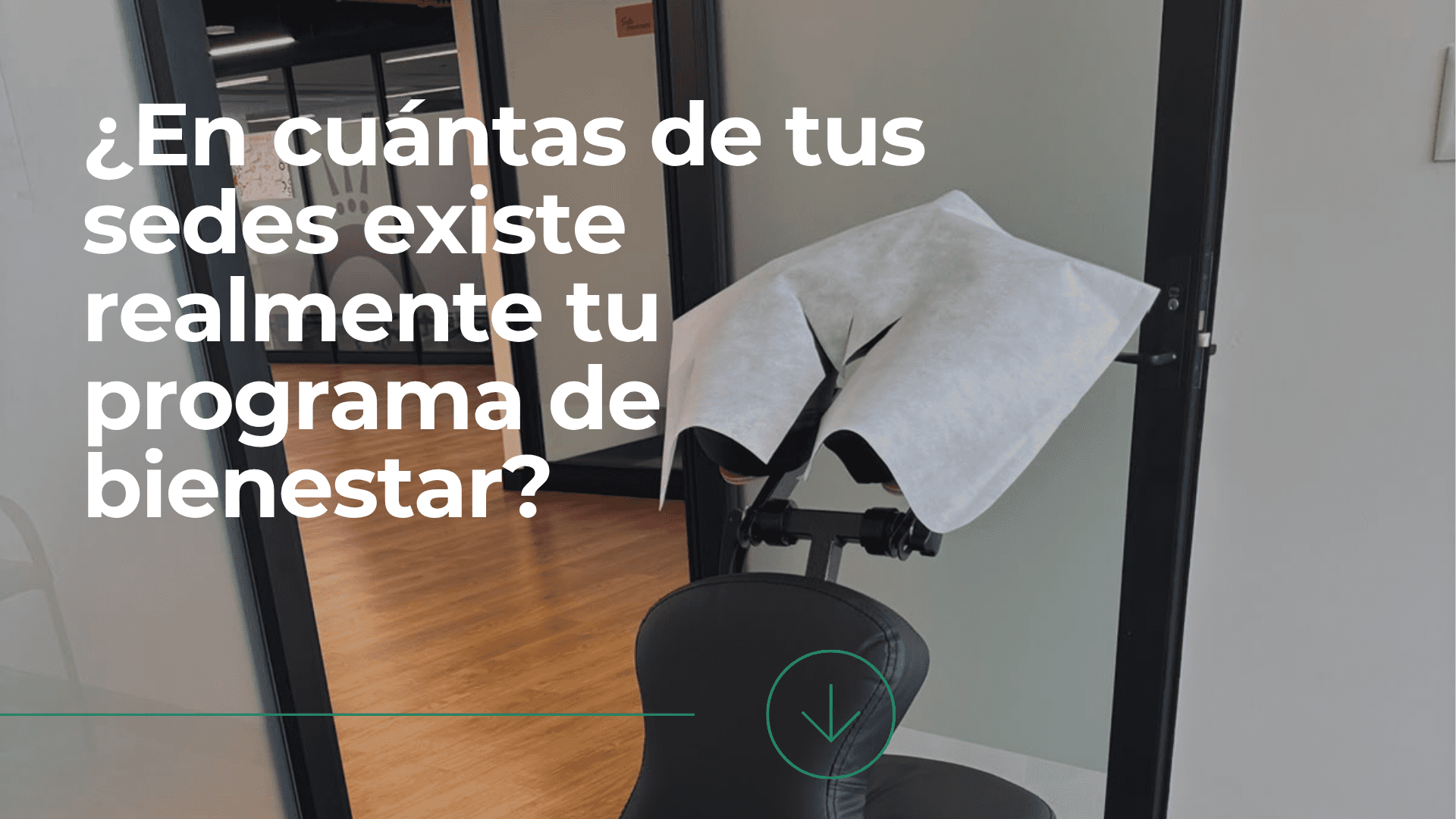
Chair massage can offer a brief relaxation experience right in the workplace, without the need to travel or leave the office. Advanced scheduling helps organize shifts and limit interruptions to regular activities.
This does not mean that 15 minutes is the ideal duration for every intervention. It means that a brief experience can make sense when its goal is well defined, the format is appropriate, and the logistics allow it to run smoothly.
Before organizing a wellness day, it is helpful to answer three questions:
What do we want to achieve with the initiative? Define the well-being goals we want to support.
What format fits the space, schedules, and number of people? Choose how to carry it out.
What metrics will we use to evaluate the results? Decide what information we will collect afterward.
These answers help guide the choice of both the service and the metrics used to review it.
Three levels to evaluate a wellness day
A useful evaluation doesn't have to be complicated. It can be organized across three levels.
1. Operations: what happened
This documents the execution of the activity: how many people were eligible to participate, how many actually did, how many sessions were held, how long the event lasted, and whether there were any notable incidents or interruptions.
This data helps verify whether the initiative was carried out as planned and identifies areas for improvement next time.
2. Perception: what people experienced
A brief survey can capture aspects such as satisfaction, perceived energy, stress levels before and after the session, or the intention to participate again.
The key is to select a few questions that align with the goal. If the intent is to evaluate the immediate experience, there is no need to turn the survey into a lengthy questionnaire covering every aspect of workplace well-being.
When comparing results is useful, it is best to keep the same questions across subsequent events. This allows you to observe trends without assuming that a difference alone proves a causal relationship.
3. Organizational context: what is worth monitoring over time
The company can review broader indicators, such as absenteeism, turnover, or workplace climate perceptions, if they align with its well-being goals.
However, these should be treated as context and monitoring indicators, not as outcomes automatically attributable to a one-time activity. Evaluating the impact of an intervention on organizational outcomes requires a sound measurement design and consideration of other factors that may also play a role.
Measure from the start, not at the end
A common mistake is organizing the activity and deciding afterward what data to collect. By then, it can be difficult to establish a useful baseline or compare the experience with future sessions.
A simple alternative is to define two or three metrics before starting and repeat the measurement in subsequent events.
For example, the follow-up report could include:
Number of participants compared to the total number invited.
Percentage of participants who reported an improvement in energy or a reduction in perceived stress.
Satisfaction level and intention to repeat the experience.
To this, a brief operational conclusion can be added: what worked, what should be adjusted, and what is worth monitoring in the next edition.
A single wellness day provides insight into that specific experience. Multiple days measured consistently allow you to start identifying patterns and making better-informed decisions.
From service to learning
At Zen To Go, we offer shiatsu chair massage with sessions starting at 15 minutes per person, scheduled to seamlessly integrate into the workday. We can also tailor the post-session survey to the metrics the company wishes to track.
The goal is to provide HR with actionable insights to evaluate execution and participant experience, rather than merely counting the number of sessions delivered.
A wellness day doesn't need to promise that it will eliminate stress, boost productivity, or reduce turnover. It needs to be able to explain what was done, what people experienced, and what the company learned.
That is where a 15-minute break stops being just an activity and starts becoming an initiative that HR can genuinely evaluate.
Before approving a wellness break at your company, what specific change do you expect to see in your teams, and how would you notice it?
You may also like


Learn about our home delivery services
In-home massages and facials in several cities across Mexico
Customer favorite
Relaxing massage
Light to medium pressure
60, 90, and 120 min
· by therapist
Deep tissue massage
Strong, targeted pressure
60, 90, and 120 min
· by therapist

Sports massage
Firm and dynamic pressure
60, 90, and 120 min
· by therapist

Lymphatic drainage massage
Gentle and rhythmic pressure
90 and 120 min
· by therapist
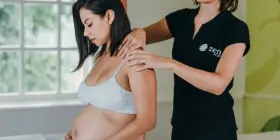
Prenatal massage
Light, secure pressure
60 and 90 min
· by therapist
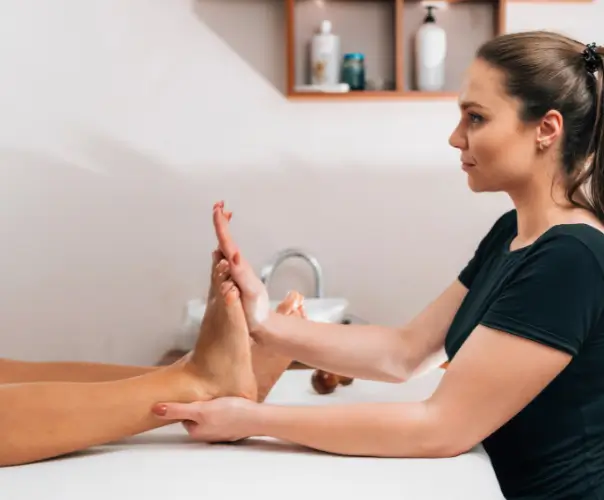
Reflexology
Gentle and rhythmic pressure
60 mins
· by therapist
Customer favorite
Couples Massage
Customized pressure for everyone
60, 90, and 120 min
· as a couple

Fiesta SPA
Massages and facials for your group
Request a quote
Learn about our home delivery services
In-home massages and facials in several cities across Mexico
Customer favorite
Relaxing massage
Light to medium pressure
60, 90, and 120 min
· by therapist
Deep tissue massage
Strong, targeted pressure
60, 90, and 120 min
· by therapist
Sports massage
Firm and dynamic pressure
60, 90, and 120 min
· by therapist
Lymphatic drainage massage
Gentle and rhythmic pressure
90 and 120 min
· by therapist
Prenatal massage
Light, secure pressure
60 and 90 min
· by therapist
Reflexology
Gentle and rhythmic pressure
60 mins
· by therapist
Customer favorite
Couples Massage
Customized pressure for everyone
60, 90, and 120 min
· as a couple
Fiesta SPA
Massages and facials for your group
Request a quote
Book my in-home massage
Our customer service often exceeds expectations, providing an unmatched experience.
Certified therapists from the best SPAs in the city
No penalties if you cancel 24 hours before your service.
7 out of 10 local customers return and become frequent customers.
Book my in-home massage
Our customer service often exceeds expectations, providing an unmatched experience.
Certified therapists from the best SPAs in the city
No penalties if you cancel 24 hours before your service.
7 out of 10 local customers return and become frequent customers.
Book my in-home massage
Our customer service often exceeds expectations, providing an unmatched experience.
Certified therapists from the best SPAs in the city
No penalties if you cancel 24 hours before your service.
7 out of 10 local customers return and become frequent customers.
Book my in-home massage
Our customer service often exceeds expectations, providing an unmatched experience.
Certified therapists from the best SPAs in the city
No penalties if you cancel 24 hours before your service.
7 out of 10 local customers return and become frequent customers.
We bring wellness to your doorstep. We conveniently and securely connect you with the city's top therapists, so you can say goodbye to stress.
Contact us via your preferred channel:
Zen to Go News
Wellness tips and exclusive offers.
Discover
Work with us
In-home massages
© 2019-2026 Zen to Go™. All rights reserved. Zen to Go is a registered trademark of Plataformas Zen México SA de CV.
Calle 38 Entre Av. 10 y 10 BIS, Local 12, Zazil-Ha, Playa del Carmen, Quintana Roo, CP 77720, México.