
Mental health in the workplace: why a one-day initiative changes nothing
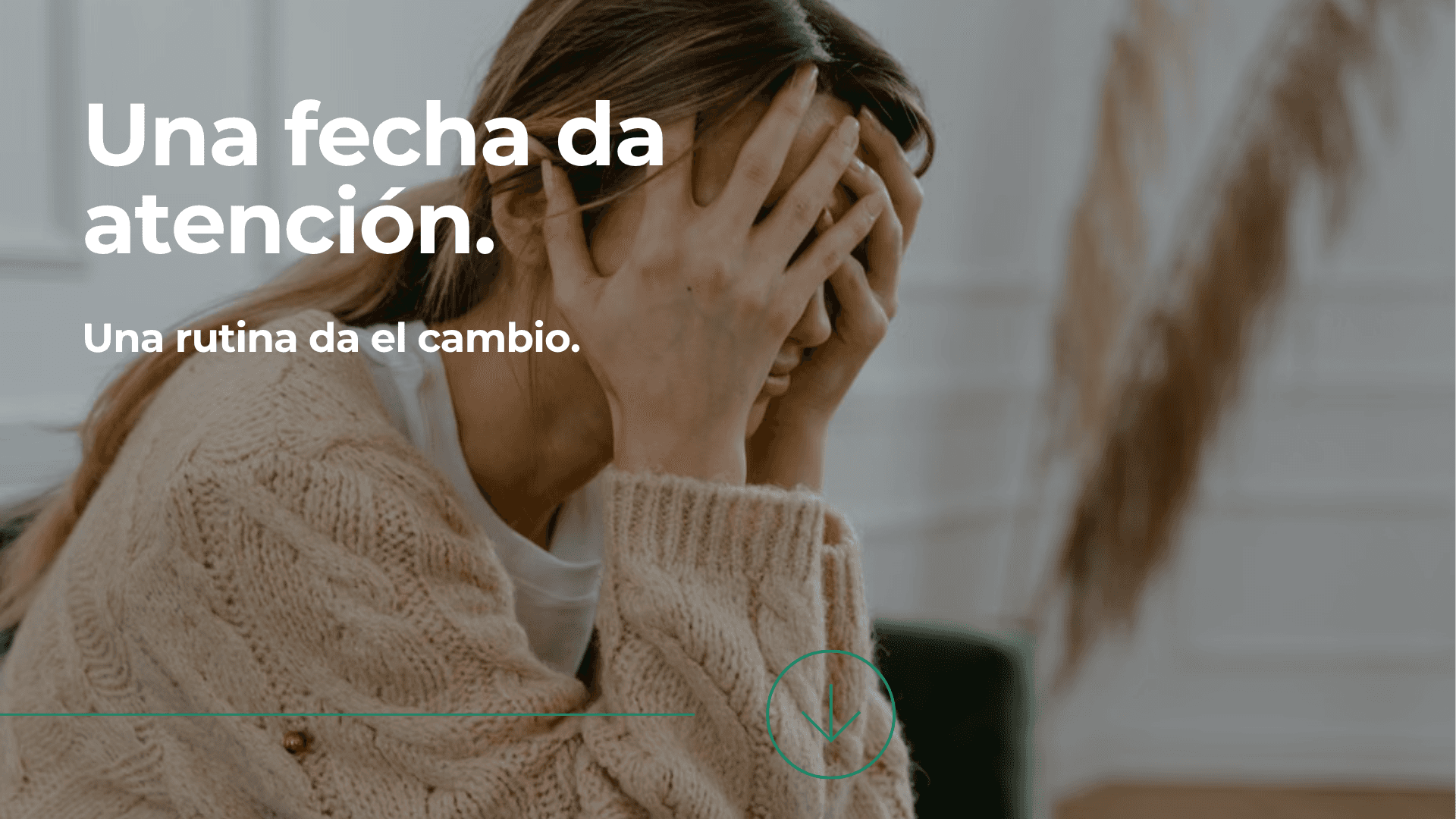
World Mental Health Day brings attention to the issue, and with limited budgets and competing priorities, it is often all that fits. Change happens when that awareness is tied to a business metric and transforms something that happens every week.
World Mental Health Day brings attention to the issue, and with limited budgets and competing priorities, it is often all that fits. Change happens when that awareness is tied to a business metric and transforms something that happens every week.
World Mental Health Day brings attention to the issue, and with limited budgets and competing priorities, it is often all that fits. Change happens when that awareness is tied to a business metric and transforms something that happens every week.
Subscribe to our Newsletter for HR leaders
Workplace wellness strategies, success stories, and corporate promotions directly in your inbox.
Subscribe to our Newsletter for HR leaders
Workplace wellness strategies, success stories, and corporate promotions directly in your inbox.
What Happened on World Mental Health Day
Many organizations posted a message, organized a talk, or opened a space for conversation. These were well-intentioned actions. The following week, the workloads, priorities, and rules of each team remained the same.
An action like this is evaluated by what is visible: how many people participated, how many reactions the post got. That interpretation treats visibility as if it were change. A person who experiences the same workload, the same chaos of priorities, and the same lack of rest for five days continues to experience them, even if on one day they listened to a talk.
For many CEOs and business owners, mental health competes with sales goals, cost control, and quarter-end closing. The budget is limited and the cost of not acting does not appear on a single line item: it is distributed among absenteeism, turnover, and burnout, and no one is held accountable for it.
A one-day initiative fits that logic because it has a set date, a clear cost, and a visible outcome. The decision makes sense within those constraints. The problem arises when a change is expected from it that its scale simply cannot produce.
Reframing: Frequency
Mental health at work responds to conditions that repeat: how heavy the workload is, how clear the priorities are, whether people can rest, and how conversations with leadership take place. Those conditions operate every single day. A one-day initiative operates on a different timescale, which is why on its own it does not change them.
What changes a person's experience is what the design of work produces from Monday to Friday. A one-off action provides information and attention, and change happens when that information modifies something recurring: a rule for setting priorities, a review cadence, a leader's schedule.
The WHO and the ILO estimate that 12 billion working days are lost every year to depression and anxiety, costing the global economy nearly one trillion dollars. Their 2022 guidelines focus on the risks generated by work itself, such as heavy workloads and negative behaviors. (Source: PAHO, WHO and ILO joint release, September 28, 2022.) paho
Business Impact
A one-day action is paid for as an expense and paid for again every year. If the metric is participation, the following Monday looks just like the previous Friday.
For the topic to earn a place on executive leadership's agenda, it needs to speak the language leadership already uses: turnover, absenteeism, department productivity. A focused pilot with a defined metric and a small but recurring budget is usually an easier conversation to approve than a broad program.
A single day can be a good starting point when it comes with a decision: what will be changed in the regular workweek and who is accountable for it. This applies to any wellness format, including massages: what counts is how much of what was done that day becomes part of the weekly routine.
A one-day initiative is what usually fits when the topic competes with other priorities. Change happens when it connects to a metric leadership already tracks and modifies something that repeats every week.
What metric would your leadership need to see to give this issue a place year-round?
You may also like


Learn about our home delivery services
In-home massages and facials in several cities across Mexico

Customer favorite
Relaxing massage
Light to medium pressure
60, 90, and 120 min
· by therapist

Deep tissue massage
Strong, targeted pressure
60, 90, and 120 min
· by therapist

Sports massage
Firm and dynamic pressure
60, 90, and 120 min
· by therapist

Lymphatic drainage massage
Gentle and rhythmic pressure
90 and 120 min
· by therapist

Prenatal massage
Light, secure pressure
60 and 90 min
· by therapist
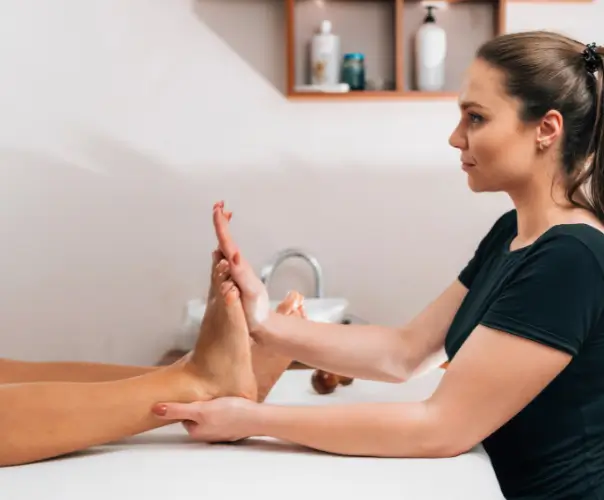
Reflexology
Gentle and rhythmic pressure
60 mins
· by therapist

Customer favorite
Couples Massage
Customized pressure for everyone
60, 90, and 120 min
· as a couple

Fiesta SPA
Massages and facials for your group
Request a quote
Learn about our home delivery services
In-home massages and facials in several cities across Mexico
Customer favorite
Relaxing massage
Light to medium pressure
60, 90, and 120 min
· by therapist
Deep tissue massage
Strong, targeted pressure
60, 90, and 120 min
· by therapist
Sports massage
Firm and dynamic pressure
60, 90, and 120 min
· by therapist
Lymphatic drainage massage
Gentle and rhythmic pressure
90 and 120 min
· by therapist
Prenatal massage
Light, secure pressure
60 and 90 min
· by therapist
Reflexology
Gentle and rhythmic pressure
60 mins
· by therapist
Customer favorite
Couples Massage
Customized pressure for everyone
60, 90, and 120 min
· as a couple
Fiesta SPA
Massages and facials for your group
Request a quote
Book my in-home massage
Our customer service often exceeds expectations, providing an unmatched experience.
Certified therapists from the best SPAs in the city
No penalties if you cancel 24 hours before your service.
7 out of 10 local customers return and become frequent customers.
Book my in-home massage
Our customer service often exceeds expectations, providing an unmatched experience.
Certified therapists from the best SPAs in the city
No penalties if you cancel 24 hours before your service.
7 out of 10 local customers return and become frequent customers.
Book my in-home massage
Our customer service often exceeds expectations, providing an unmatched experience.
Certified therapists from the best SPAs in the city
No penalties if you cancel 24 hours before your service.
7 out of 10 local customers return and become frequent customers.
Book my in-home massage
Our customer service often exceeds expectations, providing an unmatched experience.
Certified therapists from the best SPAs in the city
No penalties if you cancel 24 hours before your service.
7 out of 10 local customers return and become frequent customers.
We bring wellness to your doorstep. We conveniently and securely connect you with the city's top therapists, so you can say goodbye to stress.
Contact us via your preferred channel:
Zen to Go News
Wellness tips and exclusive offers.
Discover
Work with us
In-home massages
© 2019-2026 Zen to Go™. All rights reserved. Zen to Go is a registered trademark of Plataformas Zen México SA de CV.
Calle 38 Entre Av. 10 y 10 BIS, Local 12, Zazil-Ha, Playa del Carmen, Quintana Roo, CP 77720, México.