
This meeting could have been an email. Or maybe not.

Hardly anyone stops to ask why every recurring meeting still exists on their calendar. This article offers a 30-second rule of thumb to determine whether a meeting truly needs to exist, how to replace it with a message that actually gets read and answered if it's not essential, and how to redesign it if it is.
Hardly anyone stops to ask why every recurring meeting still exists on their calendar. This article offers a 30-second rule of thumb to determine whether a meeting truly needs to exist, how to replace it with a message that actually gets read and answered if it's not essential, and how to redesign it if it is.
Hardly anyone stops to ask why every recurring meeting still exists on their calendar. This article offers a 30-second rule of thumb to determine whether a meeting truly needs to exist, how to replace it with a message that actually gets read and answered if it's not essential, and how to redesign it if it is.
Subscribe to our Newsletter for HR leaders
Workplace wellness strategies, success stories, and corporate promotions directly in your inbox.
Subscribe to our Newsletter for HR leaders
Workplace wellness strategies, success stories, and corporate promotions directly in your inbox.
The Usual Mistake: Polishing the Format, Ignoring the Substance
When the calendar feels packed, the first thing we do is shorten meetings, or space them out every two weeks instead of every week. We adjust duration and frequency. We almost never ask ourselves whether that meeting should exist at all in the first place.
The Variable We Consider Most Important
It's not about meeting vs. email. It's about whether what you're going to cover requires an active, concrete response, or merely asks someone to listen. A meeting where people nod without deciding anything fails in the exact same way as an endless email that no one finishes reading. And a well-thought-out message that demands a specific response works just as well as a well-run meeting that demands a decision. The format is the least of it. What always fails is asking for passive attention when what is needed is an active response.
The 30-Second Rule
Before redesigning a recurring meeting, ask yourself one question: last time, did anyone make a decision there, or change their mind because of something they heard? If the answer is no, what took place was an information dump, not a real conversation.
If It's Not Essential: How to Replace It Without Getting Lost in the Inbox
The most common mistake when turning a meeting into an email is thinking that more detail ensures someone will read it. What actually guarantees a response is the opposite: a short message ending in a specific question, with a deadline. "I'd like to get your take before Friday" works. "Looking forward to your comments" almost never does. And if no one responds even then, the problem was never the format. It was that no one cared enough about the topic, and that, in itself, is already valuable data.
If It Is Essential: What Makes It Worth It
A meeting that genuinely requires real-time presence only works if it kicks off with the decision that needs to be made, not with a recap of what has already happened. Changing the first question from "Does anyone have an update?" to "What do we need to decide today?" immediately demands real participation from minute one.
The Cost That No Report Shows
As long as no one stops to examine this, meetings will survive out of habit and emails will continue to be written to inform, not to prompt a response. Both fail for the same reason, even though we treat each as a separate problem. And that cost—countless hours of people sitting and receiving information they could have gotten another way—almost never shows up anywhere.
Try It Today
Take your next recurring meeting. Apply the 30-second rule. If it's not essential, redesign the message that will replace it with a concrete question and a deadline. If it is, replace the first line of the agenda with the decision that needs to be made.
Does your next recurring meeting demand a decision, or does it just ask you to show up? Change it this week and let us know what happened.
You may also like



Learn about our home delivery services
In-home massages and facials in several cities across Mexico

Customer favorite
Relaxing massage
Light to medium pressure
60, 90, and 120 min
· by therapist

Deep tissue massage
Strong, targeted pressure
60, 90, and 120 min
· by therapist

Sports massage
Firm and dynamic pressure
60, 90, and 120 min
· by therapist

Lymphatic drainage massage
Gentle and rhythmic pressure
90 and 120 min
· by therapist

Prenatal massage
Light, secure pressure
60 and 90 min
· by therapist
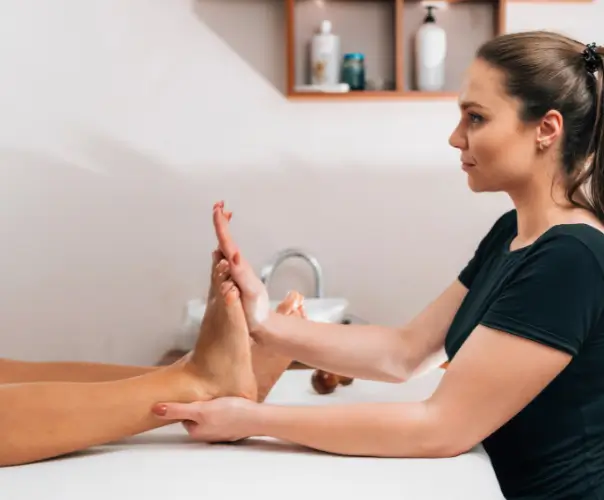
Reflexology
Gentle and rhythmic pressure
60 mins
· by therapist

Customer favorite
Couples Massage
Customized pressure for everyone
60, 90, and 120 min
· as a couple

Fiesta SPA
Massages and facials for your group
Request a quote
Learn about our home delivery services
In-home massages and facials in several cities across Mexico
Customer favorite
Relaxing massage
Light to medium pressure
60, 90, and 120 min
· by therapist
Deep tissue massage
Strong, targeted pressure
60, 90, and 120 min
· by therapist
Sports massage
Firm and dynamic pressure
60, 90, and 120 min
· by therapist
Lymphatic drainage massage
Gentle and rhythmic pressure
90 and 120 min
· by therapist
Prenatal massage
Light, secure pressure
60 and 90 min
· by therapist
Reflexology
Gentle and rhythmic pressure
60 mins
· by therapist
Customer favorite
Couples Massage
Customized pressure for everyone
60, 90, and 120 min
· as a couple
Fiesta SPA
Massages and facials for your group
Request a quote
Book my in-home massage
Our customer service often exceeds expectations, providing an unmatched experience.
Certified therapists from the best SPAs in the city
No penalties if you cancel 24 hours before your service.
7 out of 10 local customers return and become frequent customers.
Book my in-home massage
Our customer service often exceeds expectations, providing an unmatched experience.
Certified therapists from the best SPAs in the city
No penalties if you cancel 24 hours before your service.
7 out of 10 local customers return and become frequent customers.
Book my in-home massage
Our customer service often exceeds expectations, providing an unmatched experience.
Certified therapists from the best SPAs in the city
No penalties if you cancel 24 hours before your service.
7 out of 10 local customers return and become frequent customers.
Book my in-home massage
Our customer service often exceeds expectations, providing an unmatched experience.
Certified therapists from the best SPAs in the city
No penalties if you cancel 24 hours before your service.
7 out of 10 local customers return and become frequent customers.
We bring wellness to your doorstep. We conveniently and securely connect you with the city's top therapists, so you can say goodbye to stress.
Contact us via your preferred channel:
Zen to Go News
Wellness tips and exclusive offers.
Discover
Work with us
In-home massages
© 2019-2026 Zen to Go™. All rights reserved. Zen to Go is a registered trademark of Plataformas Zen México SA de CV.
Calle 38 Entre Av. 10 y 10 BIS, Local 12, Zazil-Ha, Playa del Carmen, Quintana Roo, CP 77720, México.