What Dropbox teaches us about work flexibility

In the midst of 2025, it is still surprising that some companies propose returning to 100% in-person work. However, since 2020, Dropbox has made it clear that managing teams by physical location is an obsolete strategy. Drew Houston, its CEO, labeled this pressure as anachronistic, comparing it to forcing employees to return to deserted shopping malls. In contrast, its 'virtual first' model (90% remote and occasional in-person meetings) has shown outstanding results in productivity, innovation, and satisfaction.
The post-pandemic Mexican reality
During the health emergency, Mexico experienced a massive migration to remote work and later to a hybrid model. Many organizations invested in collaborative tools, relaxed schedules, and redesigned processes to maintain operations. Today, although there is no legal mandate for a 'return to 100%', some executives question whether it is necessary to fill cubicles again, attend in-person meetings out of habit, or measure performance by clocking in.
Proven benefits of flexibility
Increased productivity: Dropbox reports that its remote model not only maintained numbers but also elevated them by eliminating downtime from commuting and fostering focus on deliverables.
Improvement in well-being: Working from home or alternating with the office reduces commuting stress and allows for a better work-life balance.
Attraction and retention of talent: New generations value autonomy. Offering flexible arrangements translates to lower turnover and ease in hiring specialized profiles.
Challenges and how to face them
Effective communication: Establish clear channels (chat, video calls, project boards) and response norms to avoid misunderstandings.
Objective-driven leadership: Train middle management in agile methodologies (Scrum, Kanban) to focus work on concrete results, not on 'office hours'.
Collaborative spaces: Redesign the office as a 'meeting center' for workshops, brainstorming, and team activities, instead of rows of fixed desks.
Continuous well-being: Incorporate active breaks, stress management webinars, and chair massage services to care for the mental and physical health of employees.
Gradual implementation
Before setting a definitive policy, it is advisable to conduct a pilot in a specific area of the company: establish KPIs (deliveries, quality, climate surveys) and adjust according to results. Including teams in decision-making generates commitment and trust.
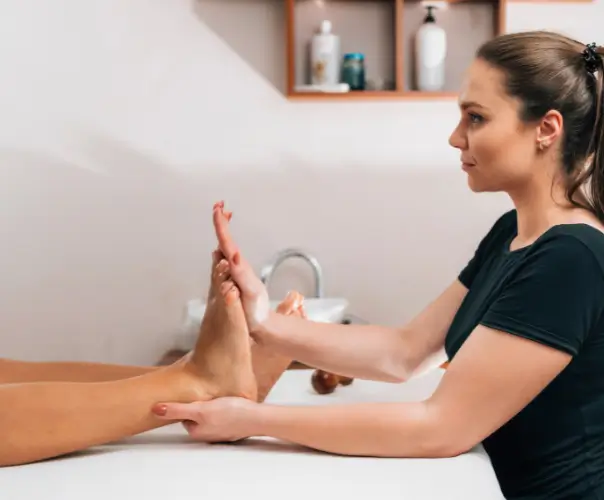
At Zen to Go, we understand that labor flexibility is more than just a scheduling scheme: it is a commitment to mental health and efficiency. Our massage programs adapt to any work modality, remote or hybrid. If you are looking for a partner to design spaces and dynamics that enhance performance and holistic care for your team, contact us: we are ready to help you implement effective and humanized solutions.