
The silent distrust: why 50% of your collaborators hide that they use AI
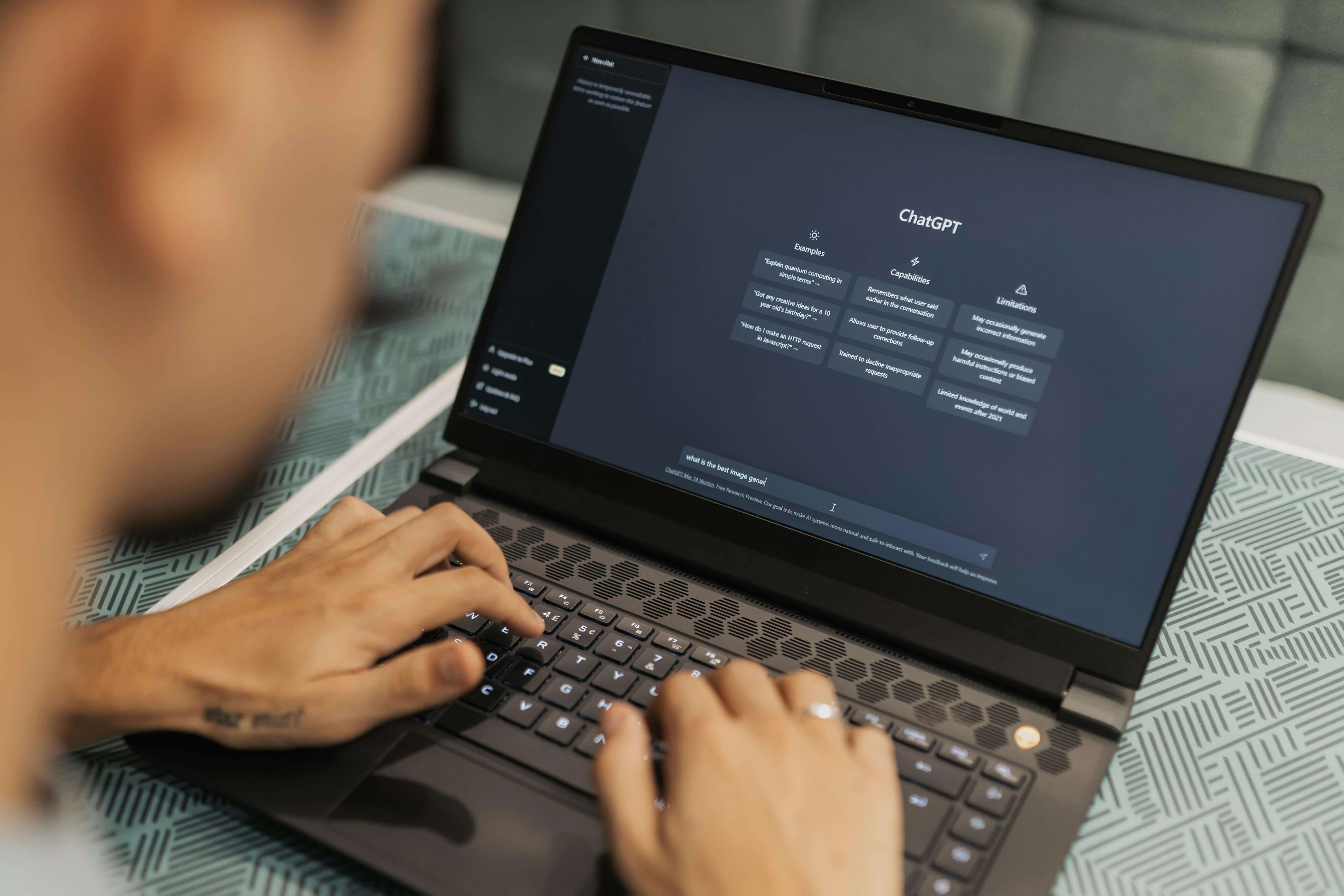
And there lies the true paradox: if AI improves efficiency, why hide it?
The answer is uncomfortable. It's not a technological issue; it's a cultural issue. People fear being sanctioned, they lack clarity on what uses are allowed, and they prefer to stay silent in cultures of control where innovating without permission can be seen as rebellion.
When innovation occurs in the shadows, everyone loses. Collective learnings are wasted, stress is duplicated, using AI should relieve the workload, but if done in hiding, it generates anxiety, widens the generational gap, and erodes the culture: the organization stops being a space where value is shared and becomes a place where everyone survives as best they can.
In Mexico, where rigid hierarchies and micromanagement still prevail, this phenomenon is likely already happening even if no one acknowledges it. But there is also opportunity: companies that decide to open the conversation about AI and build trust around it will stand out as benchmarks of modernity, innovation, and talent attraction.
What can HR leaders do?
Start by opening dialogue spaces and asking directly how their teams are already using AI. Create clear and human policies about what is and isn't permitted. Provide training on ethics and risks so that AI is used responsibly. And, above all, rethink their role: see it as a tool to free up time and energy, not as a suspicious shortcut or an excuse to demand more.
At Zen To Go, we believe that trust is not preached but demonstrated. Just as a tangible well-being pause (a massage in the office, a real care space) conveys a much more powerful message than any speech, allowing responsible use of AI is also an act of trust that restores commitment. The combination is clear: digital innovation and human care.
The question is not whether your team is already using AI in secret. The question is: what does it say about your culture that they prefer to hide it?