benefits of massage therapy: 8 effects for your team's well-being

In today's competitive work environment, where stress and burnout are constant challenges, seeking effective solutions for well-being has become a priority for companies and leaders in Mexico. More than a luxury, massage therapy is a powerful and accessible tool for improving the physical and mental health of teams. But what exactly are the benefits of massage therapy that can generate a real impact on your organization?
We often think of massages as a form of momentary relaxation, but their reach is much deeper. From alleviating chronic pain to strengthening the immune system, integrating this practice into corporate wellness programs is a strategic investment in the most valuable capital: people. This technique not only addresses the physical tensions accumulated from long hours of work but also promotes a clearer and more focused mental state, essential for productivity and collaboration.
In this article, we will explore 8 key benefits of massage therapy, backed by science and our experience since 2019 working with teams from Mexican companies. Here you will discover how this practice can tangibly and sustainably transform the health, morale, and performance of your team.
1. Effective Relief of Muscle and Joint Pain
One of the most recognized benefits of massage therapy is its ability to reduce pain, both acute and chronic. This therapy acts directly on the tension accumulated in the muscles and connective tissues, improving circulation to the affected areas and stimulating the body's natural relief mechanisms.
In the corporate environment, where poor posture and repetitive movements are common, this therapy becomes a strategic tool. Back pain from sitting for hours or tension in the neck and shoulders due to computer use are discomforts that directly affect productivity and employee morale. Massage therapy offers a non-invasive and highly effective solution for these ailments.
How does it work in the work environment?
Implementing massage therapy in the office addresses these issues directly. For example, in our experience, employees suffering from chronic lower back pain have reported substantial improvement after receiving regular Shiatsu chair massage sessions. Similarly, teams that spend long hours on their feet, such as in events or production areas, find immediate relief in massages that allow them to continue their tasks with greater comfort.
"Postural pain is one of the main factors of absenteeism and low productivity. As we have seen with our clients, massage therapy not only alleviates the symptom, but also helps correct muscular imbalances, becoming a key prevention tool."
Tips to maximize results
To make pain relief lasting, it is important to complement sessions with good practices:
Communicate your needs: Before each session, inform the therapist about your specific areas of pain. This allows for personalizing treatment for better results.
Combine with active breaks: Integrate stretching and short walks during your day to avoid tension from building up again.
Stay adequately hydrated: Drinking water after a massage helps the body eliminate the toxins released from the muscles, speeding up recovery.
Consider targeted massages: Desk massages are an excellent option for addressing specific tensions in the neck and shoulders without interrupting workflow.
If you wish to delve deeper into how specific techniques can help you, you can learn more about deep tissue massage and its benefits for chronic pain.
2. Reduction of Stress and Anxiety
Another significant benefit of massage therapy is its proven ability to combat stress and anxiety, two of the most common challenges in the modern work environment. Massage therapy acts physiologically by decreasing cortisol levels, the stress hormone, while stimulating the production of serotonin and dopamine, neurotransmitters associated with calmness and well-being.
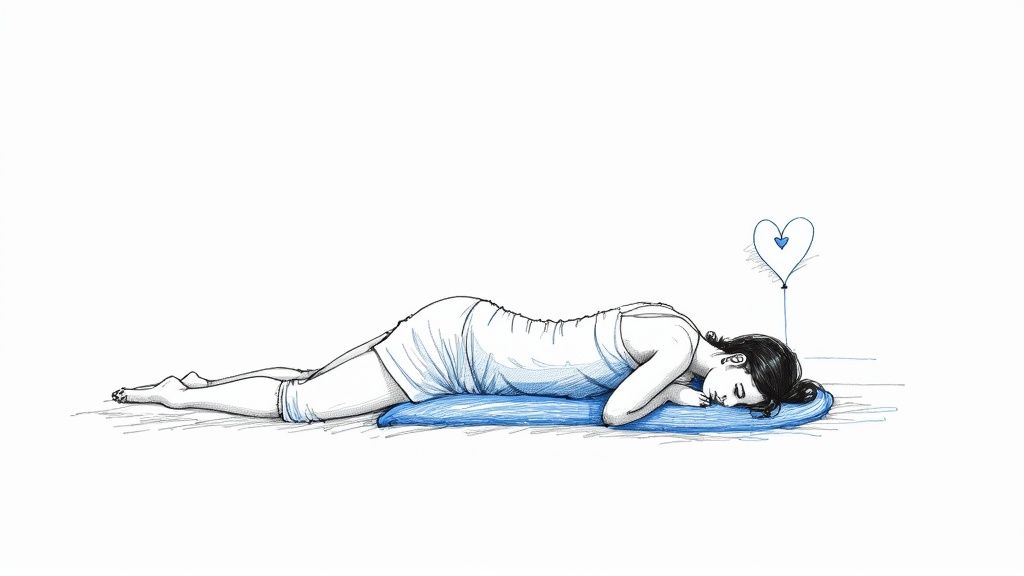
In a high-pressure environment, where tight deadlines are the norm, chronic stress can undermine morale and affect the team's mental health. Massage therapy offers a tangible refuge, a space to disconnect and recharge, which translates directly into a better work environment and a notable reduction in anxiety symptoms.
How does it work in the work environment?
Implementing massage therapy programs in the office directly addresses the issue of burnout. In the companies we collaborate with, we have seen teams not only look forward to their sessions but also report feeling more valued and able to manage pressure. A massage in Shiatsu chair before an important presentation can make a significant difference in performance and team cohesion.
"Unmanaged stress is a silent enemy of organizational culture. Offering massage therapy is a direct investment in the resilience and emotional well-being of the team, demonstrating a genuine commitment to their health."
Tips to maximize results
For stress reduction to be effective, it's key to complement sessions with healthy habits:
Communicate your emotional state: Inform the therapist about your stress levels. This will allow them to adjust techniques for deeper relaxation.
Really disconnect: During the session, avoid thinking about work. Focus on your breathing to calm your nervous system.
Plan a moment of calm: Try not to schedule urgent meetings right after your massage to integrate the feeling of relaxation.
Encourage regularity: A monthly session helps keep stress levels under control and prevents tension buildup.
If you’re interested in knowing more about how this therapy can help you manage daily pressure, you can discover more about stress management massages and their specific techniques.
3. Improvement of Blood Circulation
A key benefit of massage therapy is its ability to optimize the circulatory system. Through manual techniques, blood and lymph flow is stimulated, resulting in better tissue oxygenation, more efficient cellular nutrition, and accelerated toxin elimination.
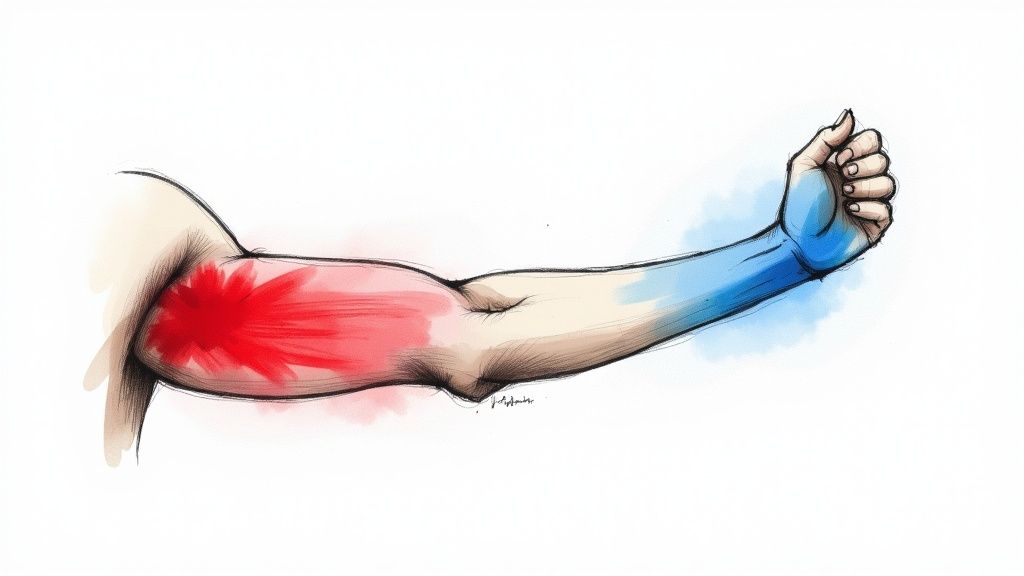
In a corporate context, where employees spend long hours in one position, circulation can be compromised, causing heaviness or swelling. Massage therapy acts as a powerful circulatory activator, counteracting the negative effects of a sedentary lifestyle and improving overall health.
How does it work in the work environment?
Implementing massages focused on circulation offers tangible benefits. For example, teams that work on their feet, such as in events or sales points, experience significant relief in their legs and feet, reducing fatigue sensations. Likewise, employees participating in fitness programs recover faster due to improved blood flow in the affected areas.
"Poor circulation is a silent cause of fatigue. By improving blood flow, massage therapy not only alleviates physical heaviness but also contributes to greater vitality and concentration during the workday."
Tips to maximize results
To enhance the circulatory effects of massage therapy, it is useful to complement sessions with these practices:
Upward movements: The therapist will apply movements that direct blood flow from the extremities to the heart to favor venous return.
Proper pressure: It's key to use moderate but constant pressure, which stimulates without causing discomfort, especially if there are varicose veins.
Combine with light activity: Encouraging short walks after a session helps keep the circulatory system active.
Elevate the extremities: Recommending that employees elevate their legs for a few minutes at the end of the day can prolong the feeling of lightness.
If your team is looking for a solution for fluid retention, you can explore more about lymphatic drainage massages and how this technique supports circulatory function.
4. Improvement of Sleep Quality
A restorative rest is fundamental for productivity and well-being. Among the most impactful benefits of massage therapy is its ability to improve sleep quality. This therapy promotes the release of serotonin, which the body converts into melatonin, the sleep-regulating hormone, helping to calm the physical and mental tension that often prevents sleep.
In the corporate environment, where deadlines and high responsibilities can disrupt sleep cycles, massage therapy presents itself as a natural and effective solution. Employees who suffer from insomnia or interrupted sleep find in massage a tool to calm the nervous system and prepare the body for deep rest.
How does it work in the work environment?
Massage therapy benefits teams with demanding schedules. For instance, employees who work shifts or travel constantly have reported normalizing their sleep patterns after incorporating massage sessions. Similarly, during intense workdays, a relaxing massage at the end of the day can be key to ensuring the team recovers its energy for the next day.
"A good rest is a pillar of mental health and performance. Based on our experience, massage therapy acts as a natural regulator, helping the body and mind disconnect for restorative sleep."
Tips to maximize results
To make the most of the massage's effect on sleep, it's recommended to follow some guidelines:
Schedule strategically: If possible, schedule sessions towards the end of the workday to prepare the body for rest.
Create a post-massage routine: After the session, avoid stimulating activities. Opt for a relaxing routine before sleeping.
Combine with sleep hygiene: Maintain a dark and quiet environment in your room to enhance the effects of the massage.
Consider frequency: Regular sessions, even short ones like chair massages, help keep stress levels low and regulate sleep cycles.
To better understand how relaxation techniques induce deep rest, you can discover the benefits of relaxing massage and its direct impact.
5. Strengthening the Immune System
Beyond relaxation, one of the most impactful benefits of massage therapy is its ability to bolster the body's natural defenses. Recent research has shown that regular massage sessions can increase the number of key immune cells responsible for fighting infections.
In a corporate environment, where chronic stress can weaken the immune system, this therapy becomes a valuable preventive tool. By improving lymphatic system circulation, massage therapy helps the body eliminate toxins more efficiently, enhancing its capacity to stay healthy and reducing absenteeism rates, especially during high-risk seasons.
How does it work in the work environment?
Implementing massages as part of a wellness program helps keep teams healthier and more resilient. For example, offering Shiatsu chair massage sessions before the winter season can help prevent common colds. Similarly, employees exposed to higher levels of stress find in massage therapy support to keep their defenses high.
"A strong immune system is the foundation of a productive team. Massage therapy not only reduces the stress that compromises our defenses, but also actively stimulates the mechanisms that protect us, being a direct investment in health and business continuity."
Tips to maximize results
For immune system strengthening to be effective, consistency is essential:
Maintain regularity: Schedule sessions consistently, either weekly or bi-weekly, to keep defenses active.
Combine with a healthy lifestyle: Enhance the effects with good nutrition, hydration, and moderate exercise.
Plan strategically: Offer massages during times of higher risk for infections to protect the health of the team.
Communicate your health status: It is important to inform the therapist if you have any active infections, as in some cases massage may not be advisable.
If you seek to understand better how to enhance the defense system, you can learn more about the benefits of lymphatic massages and their role in toxin elimination.
6. Increased Flexibility and Mobility
Another of the most important benefits of massage therapy, especially in a sedentary environment, is its ability to improve flexibility and range of motion. Manual therapy works to elongate contracted muscle fibers, reduce stiffness in joints, and dissolve adhesions in tissues, resulting in greater body agility.
In a corporate context, where many employees spend the day in one position, muscles tend to shorten, and joints lose mobility. This stiffness not only causes discomfort but also increases the risk of injuries. Massage therapy works by restoring elasticity and allowing teams to feel more agile.
How does it work in the work environment?
The implementation of massages in the office has a direct impact on employee mobility. For instance, those in logistics or production roles, which require repetitive movements, find relief in massages that prevent chronic stiffness. Similarly, teams that remain seated report greater ease in stretching and moving without pain.
"Loss of flexibility affects quality of life and performance. Massage therapy not only stops this deterioration but reverses it, becoming a proactive tool for maintaining a functional body free of restrictions."
Tips to maximize results
To sustain improvements in flexibility, it's key to complement sessions with healthy habits:
Combine with stretching: Take active breaks during the day to do gentle stretches.
Apply heat beforehand: Using a warm compress on the stiffest areas before massage can help relax the muscles.
Stay active: Incorporate short walks or mobility exercises into your routine to preserve elasticity gained.
Communicate your limitations: Inform the therapist about any joints or muscles that feel particularly "stuck" so they can focus the treatment.
7. Improvement of Mental Health and Emotional Well-Being
Beyond the physical, one of the most profound contributions of massage therapy is strengthening mental health. This therapy fosters a connection between mind and body, creating a safe space for relaxation that helps reduce anxiety symptoms and promotes a sense of calm and self-care.
In the corporate environment, where pressure and workload can create emotional wear, this therapy becomes a pillar of holistic well-being. Fostering a positive mood not only enhances individual experience but also strengthens team morale and creates a more empathetic organizational culture.
How does it work in the work environment?
Implementing massage therapy sessions in the company sends a clear message: the mental health of employees is a priority. Teams facing periods of high pressure, such as tax closures, find in massages a break that allows them to recharge and manage anxiety constructively.
"Emotional well-being is the foundation of a resilient team. Massage therapy offers a tangible way to release accumulated mental load, allowing employees to feel cared for, valued, and more connected."
Tips to maximize results
To enhance the emotional impact of massage therapy, it is useful to consider these recommendations:
Choose an empathetic therapist: Connection and communication with the therapist are key to creating a trusting environment.
Communicate your emotional needs: If you feel particularly anxious, share this with the therapist so they can adapt the techniques.
Maintain regularity: To obtain lasting benefits, it is advisable to receive massages periodically, making it a self-care ritual.
Combine with other practices: Integrate massages with other tools such as meditation or exercise for a synergistic effect.
8. Acceleration of Post-Injury Recovery
Besides relaxation, another of the most important benefits of massage therapy is its role in rehabilitation. This therapy accelerates recovery after injuries by improving circulation, reducing scar tissue formation, and restoring the function of affected muscles.
In the corporate context, this is relevant for teams with physically active roles or for employees returning after medical leave. Massage therapy not only helps make reintegration faster and more comfortable, but also decreases the risk of relapses by ensuring that the tissues heal optimally.
How does it work in the work environment?
Implementing therapeutic massages as part of a labor reintegration program can make a significant difference. For example, an employee who suffered a sprain and needs to return to a standing role may benefit from targeted massages that reduce inflammation and restore flexibility, facilitating a safer return to work.
"Massage therapy is a key complement in physiotherapy. It not only accelerates physical healing but also reduces anxiety associated with the injury, allowing the employee to regain confidence in their abilities."
Tips to maximize results
To safely integrate this therapy into a recovery process, consider the following:
Wait for medical authorization: It's essential to have the approval of the treating physician or physiotherapist before starting any post-injury massage.
Start gradually: The first sessions should be of light pressure, gradually increasing intensity according to tolerance.
Coordinate with other specialists: Massage therapy should be part of a comprehensive plan. Communicate advancements to the physiotherapist to align objectives.
Monitor the body's response: Pay attention to any signs of acute pain or inflammation and communicate it immediately to the therapist.
Comparison: 8 Benefits of Massage Therapy
Benefit | 🔄 Implementation Complexity | ⚡ Resources / Requirements | ⭐📊 Expected Results | 💡 Ideal Use Cases | Key Advantages |
|---|---|---|---|---|---|
Relief of Muscle and Joint Pain | Moderate: qualified therapist and repeated sessions | Table, time, and therapeutic protocols; 2-3 sessions/week | High pain reduction and better mobility (⭐⭐⭐) | Back/neck pain, athletes, rehabilitation clinics | Non-pharmacological alternative; immediate and cumulative effects |
Reduction of Stress and Anxiety | Low-moderate: controlled environment and relaxing technique | Quiet room, therapist; sessions 60–90 min regularly | Immediate improvement in relaxation and sleep (⭐⭐) | Corporate programs, management of mild anxiety, wellness centers | Quick relaxing effect; complement to psychological therapy |
Improvement of Blood Circulation | Moderate: specific technique (drainage/vasodilation) | Trained therapist, drainage maneuvers; medical precautions | Increased flow, reduced edema, and improved healing (⭐⭐) | Lymphedema, post-surgical, sports recovery | Reduces swelling; accelerates recovery and improves skin |
Improvement of Sleep Quality | Low-moderate: correct timing and protocol | Evening sessions, dark and relaxing environment; regularity | More deep sleep and fewer awakenings (⭐⭐) | Chronic insomnia, shift workers, seniors | Improves sleep without drugs; reduces daytime fatigue |
Strengthening the Immune System | Moderate: requires consistency and gentle technique | Regular sessions, complement with nutrition and exercise | Moderate increase in immune activity (⭐) | Seniors, high-risk seasons, complementary support | Natural defense strengthening; complement to vaccines and treatments |
Increased Flexibility and Mobility | Moderate: progressive and frequent work | 60–90 min sessions, stretching, and complementary exercises | Gradual improvement in joint range and elasticity (⭐⭐) | Sedentary lifestyle, dancers, post-accident rehabilitation | Prevents injuries; improves posture and functional performance |
Improvement of Mental Health and Emotional Well-Being | Low-moderate: empathetic therapist and somatic approach | Emotionally sensitive therapist; regular sessions | Reduction of mild symptoms and greater self-esteem (⭐) | Mild depression, trauma survivors, integrative programs | Increases self-care and mind-body connection |
Acceleration of Post-Injury Recovery | High: medical coordination and specific protocols | Medical approval, specialized therapist, multidisciplinary follow-up | Shortens rehabilitation time and improves function (⭐⭐⭐) | Post-surgical, sports injuries, trauma | Reduces complications; facilitates return to normal activity |
Zen to Go: Your Strategic Ally in Corporate Wellness
Throughout this journey, we have broken down how massage therapy is much more than a luxury; it is a powerful tool for enhancing overall health. From relief of muscle pain to a significant reduction in stress, the benefits of massage therapy directly impact the most important pillar of any organization: its people. Every point we explored converges on a single outcome: a healthier, more resilient, and productive team.
Integrating this practice into your company's wellness strategy is an investment with visible returns. It's not just about offering one more benefit, but about actively building a culture that prioritizes care and demonstrates through actions that employee well-being is fundamental. This proactive approach is what distinguishes companies that truly thrive, creating an environment where teams feel valued and motivated.
From Theory to Practice: Concrete Steps for Your Company
Implementation doesn't have to be complex. Our internal data, based on semi-annual surveys with corporate clients, confirms it: 79% of employees report a reduction in stress and 99% feel that their company values their well-being when receiving these services. This shows that concrete actions generate positive perceptions.
To take the next step, we recommend:
Evaluate your team's needs: Conduct a small internal survey. What are the main discomforts? Back pain, stress, lack of energy? This will help you communicate the benefit more effectively.
Start with a pilot event: Organize a wellness day to gauge interest and impact. Shiatsu chair massages, which do not require employees to remove their clothing and take up little space, are a perfect option to start.
Integrate it as a recurring program: To maximize the benefits of massage therapy, consistency is key. Set up monthly or bi-monthly sessions. With our platform, management is simple, from online scheduling to automatic reminders for participants.
Adopting massage therapy is a powerful statement. It tells your team: "We care about you, your health is our priority, and we are investing in your well-being so that together we achieve success." It bridges the gap between good intention and measurable impact.
Ready to bring the benefits of massage therapy directly to your office and build a healthier and happier team? At Zen to Go, we are experts in designing corporate wellness programs tailored for companies in CDMX, Monterrey, Guadalajara, and more. Let us be your strategic ally and discover how our flexible solutions, from Sitting Shiatsu massages to wellness events, can transform your organizational culture. Visit our website at Zen to Go to learn more and request a quote.