Types of Massage: A Practical Guide to Choosing the Best One for You

In a world that moves at full speed, taking a moment to care for oneself is not a luxury but a necessity. But when you decide to treat yourself to a session, do you really know which of all the types of massage to choose? Not all are alike. Some are designed to relieve the tension from intense training, others to calm an anxious mind, and some more to release muscle knots that you have been carrying for months.
Understanding the differences is the first step towards getting exactly what your body and mind are asking for. In this guide, based on our experience performing thousands of massages at home and in companies in Mexico since 2019, we will break down the world of body therapies in a simple and straightforward way.
We will take you by the hand through the most popular and effective techniques, explaining what each one is for, what you can expect during the session, and whom we recommend it to. We want your next massage to not be a gamble but an informed decision that leads you to a state of deep and lasting well-being, finding the perfect therapy for your needs.
1. Swedish Massage
If you have ever received a massage at a spa or wellness center, it is very likely that you have experienced a Swedish massage. Considered the foundation of Western techniques, this is one of the most well-known and requested types of massage worldwide. Its popularity is no coincidence; its focus on deep relaxation and improved circulation makes it the ideal starting point for those new to the world of wellness or seeking effective relief from daily stress.
The Swedish massage uses oil or lotion to facilitate long, fluid movements directed towards the heart, following the blood flow. This technique not only relaxes the surface muscles, but also stimulates the nervous system, reduces emotional and physical stress, and promotes an overall sense of calm and balance.
How does it work and who is it ideal for?
The therapist combines five basic movements to adapt the session to your needs:
Effleurage (sliding): Long, soft movements to warm the muscles and prepare the body.
Petrissage (kneading): Deeper pressure movements that help release knots and tension.
Tapotement (percussion): Light, rhythmic tapping that energizes and stimulates the body.
Friction: Deep circular movements that act on the muscle fibers to dissolve adhesions.
Vibration: Quick and oscillating movements to relax specific muscle areas.
This massage is perfect for professionals with busy schedules who need to disconnect, people who suffer from muscle tension due to poor posture, or anyone who simply wants a moment of self-care to recharge. Based on what we have seen with our clients at Zen to Go, a regular Swedish massage significantly improves sleep quality and reduces anxiety levels.
To quickly visualize its main characteristics, we have prepared this summary.
As the summary shows, the Swedish massage is characterized by its flexibility in duration and its adaptable pressure, making it a versatile and accessible option for almost everyone.
Tips to make the most of it
To ensure your experience is exceptional, we recommend always communicating your desired pressure level. Don't hesitate to tell the therapist if you prefer a softer or firmer touch. Also, drink plenty of water after the session to help your body eliminate the toxins released. Finally, try to schedule your massage at a time when you have no immediate commitments; this way, you can extend that feeling of relaxation you were seeking.
2. Deep Tissue Massage
If you are looking for a therapeutic solution for chronic pain or persistent muscle tension, deep tissue massage is one of the most effective options. Unlike Swedish massage, which focuses on superficial relaxation, this is one of the types of massage that works on the deeper layers of muscles and connective tissue. Its main objective is not relaxation but the release of "knots" and muscle adhesions that cause pain and limit movement.
This technique uses firm pressure and slow movements to reach the underlying muscle fibers. It is ideal for treating specific issues such as chronic back pain, neck and shoulder stiffness, or injury recovery. While the pressure can be intense, the result is a significant reduction in pain and increased flexibility.
How does it work and who is it ideal for?
The therapist uses elbows, forearms, and knuckles to apply concentrated pressure on problematic areas. The key is to work slowly through the muscle layers to release tension without causing unnecessary discomfort. The main techniques include:
Slow and deep strokes: Elongated movements that follow the direction of the muscle fibers.
Cross-fiber friction: Pressure applied across the grain of the muscle to break adhesions.
Sustained direct pressure: Focused on muscle knots (trigger points) to release them.
This massage is especially beneficial for athletes, people with repetitive strain injuries, or those suffering from chronic pain due to posture. At Zen to Go, we often recommend it to clients who spend long hours in front of a desk and develop deep tension in their back and neck. Our experience shows that they achieve lasting relief. If you want to know more, you can explore the benefits of deep tissue massage in detail.
Tips to make the most of it
To ensure your experience is safe and effective, communication is key. Inform your therapist if the pressure is too intense; it should be firm but never unbearable. Breathe deeply during the session to help your muscles relax and better receive the treatment. After the massage, it is normal to feel a little soreness, similar to what you experience after an intense workout. Drink plenty of water to help eliminate toxins and consider applying ice to the more sensitive areas if necessary.
3. Hot Stone Massage
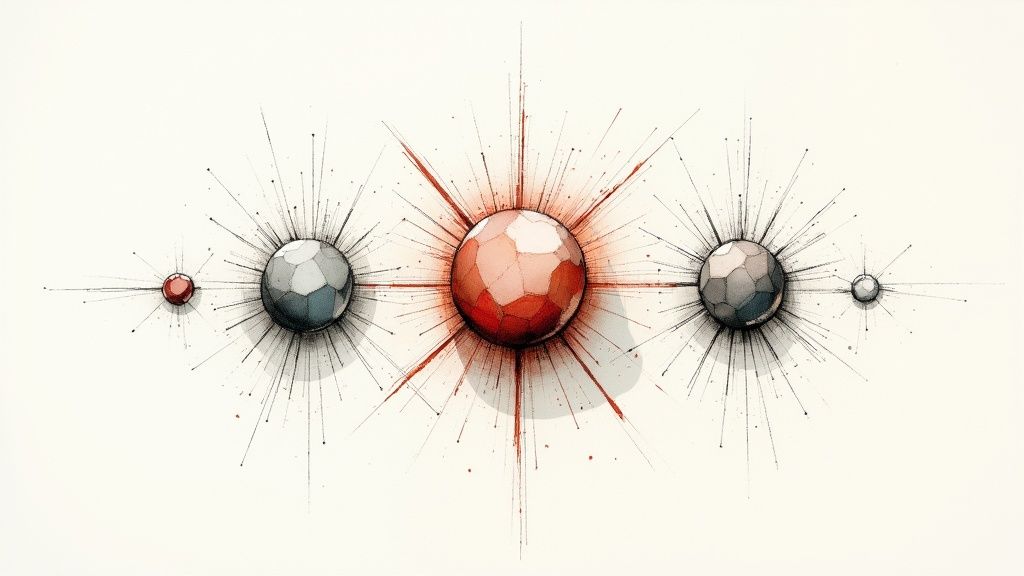
If you are looking to take relaxation to the next level, hot stone massage is a profoundly comforting and therapeutic experience. This technique combines the benefits of traditional massage with the power of heat, using smooth volcanic stones, typically basalt, that retain temperature exceptionally well. The heat penetrates the deeper layers of muscle, "melting" tension and promoting almost instant calm.
The stones, heated to a safe and controlled temperature, are placed on key energy points of the body, such as the spine, abdomen, or palms. Additionally, the therapist uses the hot stones as an extension of their own hands to glide and knead, achieving more intense muscle relief than with a conventional massage. This is one of the most requested types of massage for combating chronic stress and fatigue.
How does it work and who is it ideal for?
The heat from the stones has a vasodilating effect, meaning it expands blood vessels and significantly improves circulation. This increase in blood flow helps oxygenate muscles and eliminate toxins more efficiently, speeding up recovery and relieving pain. The combination of heat and pressure allows the therapist to work on deep musculature with less intensity, making the experience extremely pleasurable.
This massage is perfect for:
People with chronic muscle tension: The heat is ideal for loosening persistent knots and stiffness in the back, neck, and shoulders.
Those suffering from insomnia or anxiety: The profound relaxation it induces promotes restorative rest and calms the nervous system.
Individuals who constantly feel cold: It is an excellent option during winter or for those with poor circulation.
Anyone seeking a luxury spa experience at home: It is a treatment that offers a total disconnection from the outside world.
Tips to make the most of it
To ensure your hot stone massage is an unforgettable experience, communication is key. Immediately notify the therapist if any stone feels too hot for your skin. We recommend avoiding caffeine before your session to enhance the state of relaxation. Additionally, since the heat can have a detoxifying effect, be sure to drink plenty of water afterward to help your body release the toxins mobilized during the treatment.
4. Thai Massage
Unlike massages performed on a table with oils, Thai massage, or Nuad Thai, is a dynamic and revitalizing experience that takes place on the floor on a mat and in comfortable clothing. This is one of the oldest types of massage, a true therapeutic dance that combines acupressure, assisted stretches, and yoga-inspired postures to release energetic blockages and improve flexibility.
The technique is based on the manipulation of the body’s energy lines, known as "Sen lines". The therapist uses their own body weight, applying pressure with hands, elbows, knees, and feet to guide the recipient through a fluid sequence of stretches. The result is not only muscular relaxation but also an increase in vital energy and a profound sense of balance between mind and body.
How does it work and who is it ideal for?
Thai massage is often described as "yoga for lazy people" because the recipient receives the benefits of deep stretches without having to exert themselves. The therapist works rhythmically and methodically to:
Apply pressure on key points: Releases accumulated tension and stimulates the flow of energy.
Perform assisted stretches: Increases flexibility, improves joint mobility, and elongates muscles.
Mobilize the joints: Helps decompress the spine and improve the range of motion.
Encourage conscious breathing: Promotes deeper relaxation and a greater connection with the body.
It is an excellent option for active individuals, athletes, or anyone experiencing bodily stiffness and seeking to improve their flexibility. It is also ideal for those who prefer a more energetic and stimulating approach rather than a purely relaxing massage.
To give you a clearer idea of what a session is like, here’s a video.
As you can see, it is a very complete technique that works the entire body integrally.
Tips to make the most of it
To fully enjoy the benefits of Thai massage, we suggest wearing loose and stretchy clothing that allows you to move freely. It's important to inform the therapist of any injuries or sensitive areas before starting. During the session, focus on your breathing, especially during the more intense stretches, to help your body relax and yield. Finally, keep an open mind; the experience is very different from other massages, but its effects are incredibly restorative.
5. Shiatsu Massage
Shiatsu Massage, which means "finger pressure" in Japanese, is a body therapy that goes beyond muscular relaxation to seek the body’s energetic balance. Based on the principles of traditional Chinese medicine, this is one of the deepest and most therapeutic types of massage, focused on restoring the flow of vital energy, known as qi or ki. Unlike other massages, it is traditionally performed with the recipient dressed in comfortable clothing and on a futon on the floor.
This technique uses rhythmic and sustained pressure applied with thumbs, fingers, palms, and even elbows on specific points along the body’s meridians. By stimulating these energy channels, Shiatsu not only relieves physical tension but also promotes the body’s natural ability to heal itself, improving well-being at physical, emotional, and mental levels.
How does it work and who is it ideal for?
The therapist assesses the client’s energetic state and adapts the session to unblock and harmonize the flow of qi. The pressure is applied perpendicularly and gradually, without oils, allowing for deep and precise work. The technique is based on:
Sustained pressure: Applied to specific points (tsubos) to release energetic blockages.
Gentle stretches: To improve flexibility and release tension in joints and muscles.
Joint rotations: Passive movements to restore mobility and body balance.
Holistic approach: Considers the body and mind as an interconnected whole.
This massage is perfect for people looking to relieve chronic stress, fatigue, insomnia, and headaches. It is also highly beneficial for those who feel a general imbalance or an emotional "blockage." Its focus on energy makes it an excellent option to complement treatments for anxiety or simply to reconnect with oneself. It is even a technique that, with the proper adjustments, can be safe and beneficial during pregnancy, as detailed in our guide on massages for pregnant women.
Tips to make the most of it
To make your Shiatsu experience transformative, we recommend wearing loose and comfortable clothing, preferably cotton, to allow free movement. Avoid heavy meals or alcohol before the session. It is crucial to communicate any pre-existing medical conditions to the therapist and to maintain an open dialogue about the intensity of the pressure. Finally, plan for some rest time after the massage to allow your body to fully integrate its energetic benefits.
6. Relaxation Massage
Unlike other massages that focus on resolving specific muscular ailments, relaxation massage has a single and clear goal: to take you to a state of profound calm and tranquility. Its purpose is to reduce accumulated stress, calm the mind, and activate the body’s natural relaxation response. This is one of the most requested types of massage by those seeking an escape from the daily hustle and an effective tool to manage anxiety.
This massage uses long, gentle, and rhythmic movements with light to moderate pressure. The therapist focuses on creating a pleasant and continuous sensory experience that helps disconnect the mind from the outside, allowing the parasympathetic nervous system to activate. This not only relaxes the muscles but also decreases heart rate, regulates breathing, and promotes a sense of overall well-being.
How does it work and who is it ideal for?
The therapist synchronizes fluid and enveloping movements to create a harmonious and uninterrupted experience. The focus is not on undoing deep knots, but rather on releasing the general tension of the body and mind through techniques such as:
Long and continuous slides (Effleurage): To calm the nervous system.
Gentle kneading (Petrissage): To release surface tension without causing discomfort.
Light friction: In areas such as the neck and shoulders to dissipate accumulated stress.
Rhythmic and rocking movements: To induce a state of deep relaxation.
This massage is perfect for people experiencing high levels of stress, anxiety, or insomnia. It is also ideal for those new to massages or simply seeking a treatment focused exclusively on pleasure and rest. In the corporate context, we have seen that short sessions of 15-30 minutes are an incredibly powerful tool to reduce team exhaustion.
Tips to make the most of it
To ensure a fully immersive experience, we recommend turning off all your electronic devices at least 30 minutes prior to the session. Communicate your pressure preferences to your therapist and if there are any areas you would prefer to avoid. During the massage, focus on your breathing, inhaling and exhaling deeply to enhance the relaxing effect. Finally, consider adding aromatherapy with essential oils like lavender or chamomile for even deeper relaxation. If you want to explore more on this topic, you can learn about the benefits of relaxation massage on our blog.
7. Reflexology
More than just a simple foot massage, reflexology is an ancient therapy based on the idea that certain areas of the feet, hands, and ears are energetically connected to organs and systems of the body. This is one of the most fascinating types of massage, as it does not work directly on the area of pain, but uses reflex points to stimulate the body’s natural self-healing capacity, promoting deep internal balance.
This technique applies specific pressure to these reflex points to unlock energy channels, improve the function of the corresponding organs, and release accumulated tensions. Reflexology is now a globally recognized complementary therapy, even used in hospital settings to support patient well-being.
How does it work and who is it ideal for?
The therapist uses their thumbs and fingers to apply pressure to specific points on the feet, following a map that correlates each area with a part of the body. The session not only relieves foot fatigue but seeks a holistic effect on the entire organism.
Nerve stimulation: Pressure on the reflex points sends signals to the central nervous system, helping to reduce stress and relax the body.
Improved circulation: Helps enhance blood flow to vital organs, promoting their proper functioning.
Release of toxins: Stimulates the lymphatic system, facilitating the removal of toxins and waste from the body.
Energetic balance: It is believed to re-balance the flow of vital energy (Qi), restoring the body's harmony.
Reflexology is ideal for people seeking a less invasive but deeply effective treatment, especially those suffering from chronic stress, digestive issues, hormonal imbalances, or tension headaches. It is an excellent option for those who spend a lot of time on their feet or simply wish for a therapy that revitalizes their body from their feet to their head.
Tips to make the most of it
To make your reflexology experience transformative, consider these tips. First, inform your therapist about any medical conditions, especially circulation issues or foot injuries. Drink plenty of water after the session to help your body through the detoxification process. Finally, pay attention to the sensations in your body during and after the treatment, as they may provide valuable insights into your health. If you wish to delve deeper into how to care for this fundamental part of your body, you can find more information about foot massages.
8. Sports Massage
Far from being a luxury, sports massage is a fundamental tool for athletes and people with an active lifestyle. This is one of the most performance-focused types of massage, designed not only to relieve pain but also to optimize physical capacity, prevent injuries, and speed up recovery. Unlike a relaxation massage, its goal is to prepare the body for exertion, keep it in optimal condition, and help it heal after intense activity.
This technique combines movements from Swedish massage, deep tissue, compression, and assisted stretches. The therapist adapts the session according to the sport practiced, the training phase (maintenance, pre-competition, or post-competition), and the specific needs of the athlete.
How does it work and who is it ideal for?
Sports massage focuses on the muscle groups most exerted by a specific discipline. Its techniques help improve flexibility, reduce muscle tension, eliminate toxins such as lactic acid, and enhance blood circulation, resulting in quicker and more efficient recovery.
It can be applied in different phases:
Maintenance massage: Regularly performed during training to address flexibility and treat micro-injuries before they become a problem.
Pre-competition massage: A shorter, stimulating massage to warm and prepare the muscles just before the event.
Post-competition massage: Applied after physical exertion to relax the muscles, drain metabolic waste, and reduce delayed onset muscle soreness (DOMS).
It is ideal for runners, cyclists, swimmers, weight lifters, or anyone who trains regularly and wants to maximize their performance and take care of their body in the long term.
Tips to make the most of it
To make the sports massage truly effective, communication is key. Inform your therapist about your training and competition schedule. Schedule maintenance massages regularly, not just when you feel pain. After an important event, try to receive a massage within the first few hours to enhance recovery. Finally, proper hydration before and after the session is crucial to facilitate toxin elimination. If you want to learn more about how a specialized therapist can help you, explore our home massage services.
Comparison of 8 Types of Massage
Type of Massage | Ideal for... | Pressure | Uses oil? | Main focus |
|---|---|---|---|---|
Swedish Massage | General relaxation, beginners, moderate stress. | Light to medium | Yes | Relaxing surface muscles and improving circulation. |
Deep Tissue | Chronic pain, persistent muscle knots, athletes. | Strong to intense | Yes, little | Releasing tension in the deeper muscle layers. |
Hot Stones | Extreme stress, muscle tension, heat lovers. | Light to medium | Yes | Deep relaxation through heat to loosen muscles. |
Thai Massage | Increase flexibility, improve energy, body stiffness. | Variable | No | Assisted stretches and acupressure to improve mobility. |
Shiatsu Massage | Stress, fatigue, energetic imbalance, anxiety. | Variable | No | Balancing the body’s energy flow (Qi) with pressure. |
Relaxation | Anxiety, insomnia, mental disconnection. | Light | Yes | Calming the nervous system and promoting mental peace. |
Reflexology | General well-being, digestive problems, stress. | Variable | Sometimes | Stimulating points on the feet to balance the entire body. |
Sports Massage | Athletes, injury prevention, physical recovery. | Strong and focused | Yes | Optimizing muscular performance and speeding up recovery. |
Your Well-Being, a Click Away: How to Choose the Ideal Massage for You?
We have traveled through a fascinating world of wellness, exploring from the rhythmic caresses of Swedish massage to the energetic precision of Shiatsu. Each technique offers a unique path to relaxation, recovery, and balance. Now, with this map of the different types of massage, the most important decision is in your hands: listen to your body and choose what it truly needs at this moment.
The key is not to find a "best" massage but to identify your ideal massage for today. Your choice will depend entirely on your personal goals. Ask yourself: Do I seek a mental break after a high-pressure week? Do I need to relieve deep muscle tension that has accompanied me for months? Or perhaps I want to improve my flexibility and recharge my vital energy?
Putting Knowledge into Action
To ensure that this guide is genuinely helpful, it is crucial to move from information to action. Here’s a quick guide to help you decide:
For Stress and Anxiety: A relaxation massage or one with hot stones are your best allies. They focus on calming the nervous system and promoting a profound sense of peace.
For Chronic Pain and Deep Knots: The deep tissue massage is the one indicated. Its focus on the innermost layers of muscle is ideal for releasing entrenched tensions.
For Athletes and Physical Recovery: The sports massage is essential. It helps prepare the body for exertion, prevent injuries, and speed up post-training recovery.
For Flexibility and Energy: If you feel stiff or low in energy, the Thai massage or Shiatsu will revitalize you through stretches and pressures on key points.
For Overall Well-Being and Circulation: The classic Swedish massage is a fantastic and versatile option to keep the body in optimal condition and release moderate tensions.
The most valuable thing you can do is to experiment. Sometimes, the massage you think you need is not the one your body appreciates the most. Don't hesitate to try different techniques on different occasions to discover which resonates best with you. Openly discussing your expectations and feelings with your therapist is essential; a certified professional will know how to adapt the session to your specific needs.
In our experience since 2019, we have seen how consciously choosing the right type of massage transforms the customer's experience completely. It is not just a luxury, but a powerful tool for self-knowledge and personal care. Investing in a massage is a direct investment in your physical and mental health, a decision that brings you closer to a life with greater fullness and less pain.
Well-being should not be complicated. At Zen to Go, we make it easy for you to take care of yourself by bringing the best therapists in Mexico directly to your door. Whether at home, at the office, or for a special event, we are ready to offer you a trustworthy and five-star quality service.
Ready to take the next step? Schedule your session at Zen to Go and discover the power of a massage tailored to you.